Twelve Interior Styles
What defines each style, its palette and materials, and how it works in a New York apartment. Not sure where you fit? Take the style quiz.
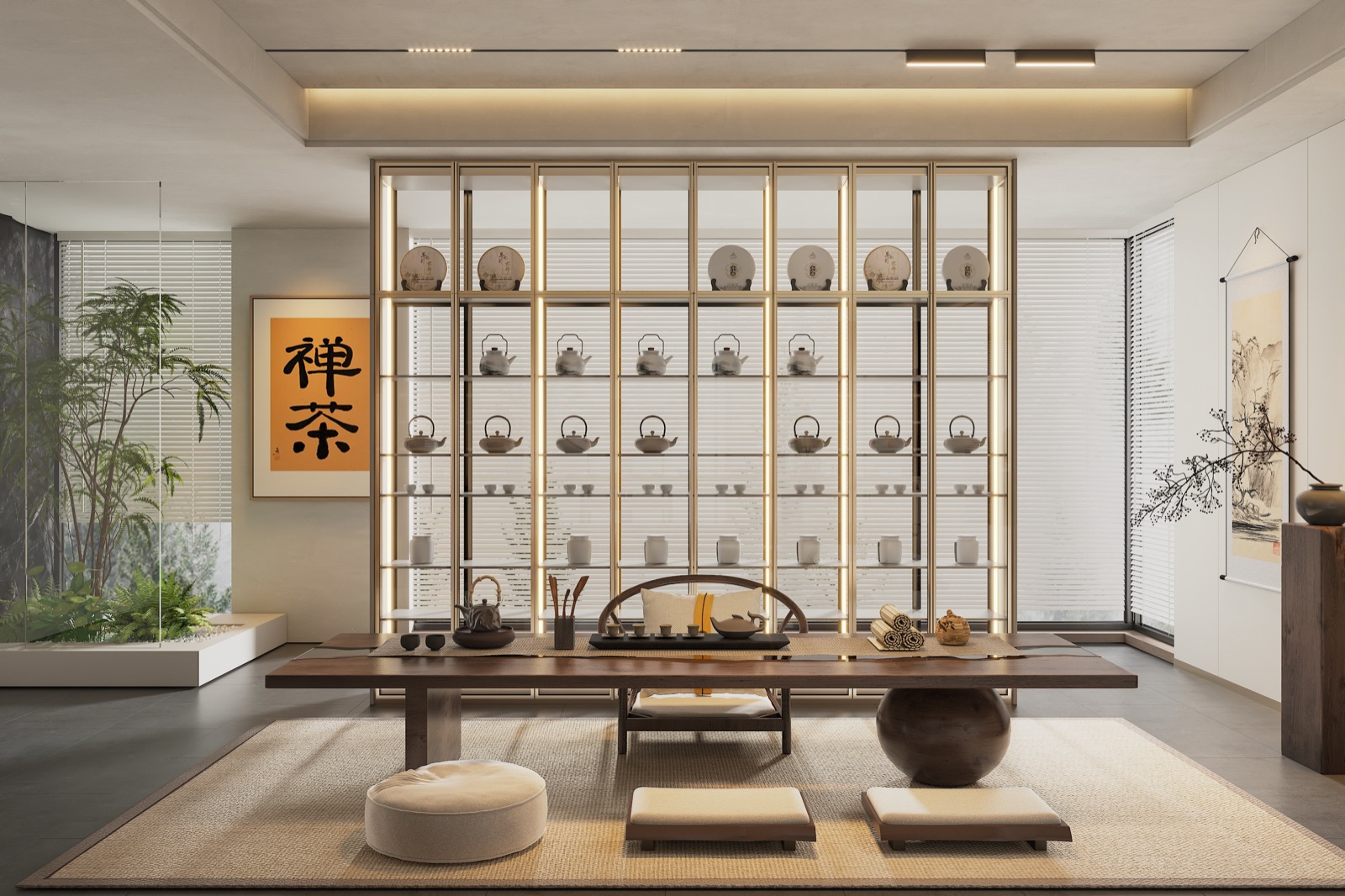
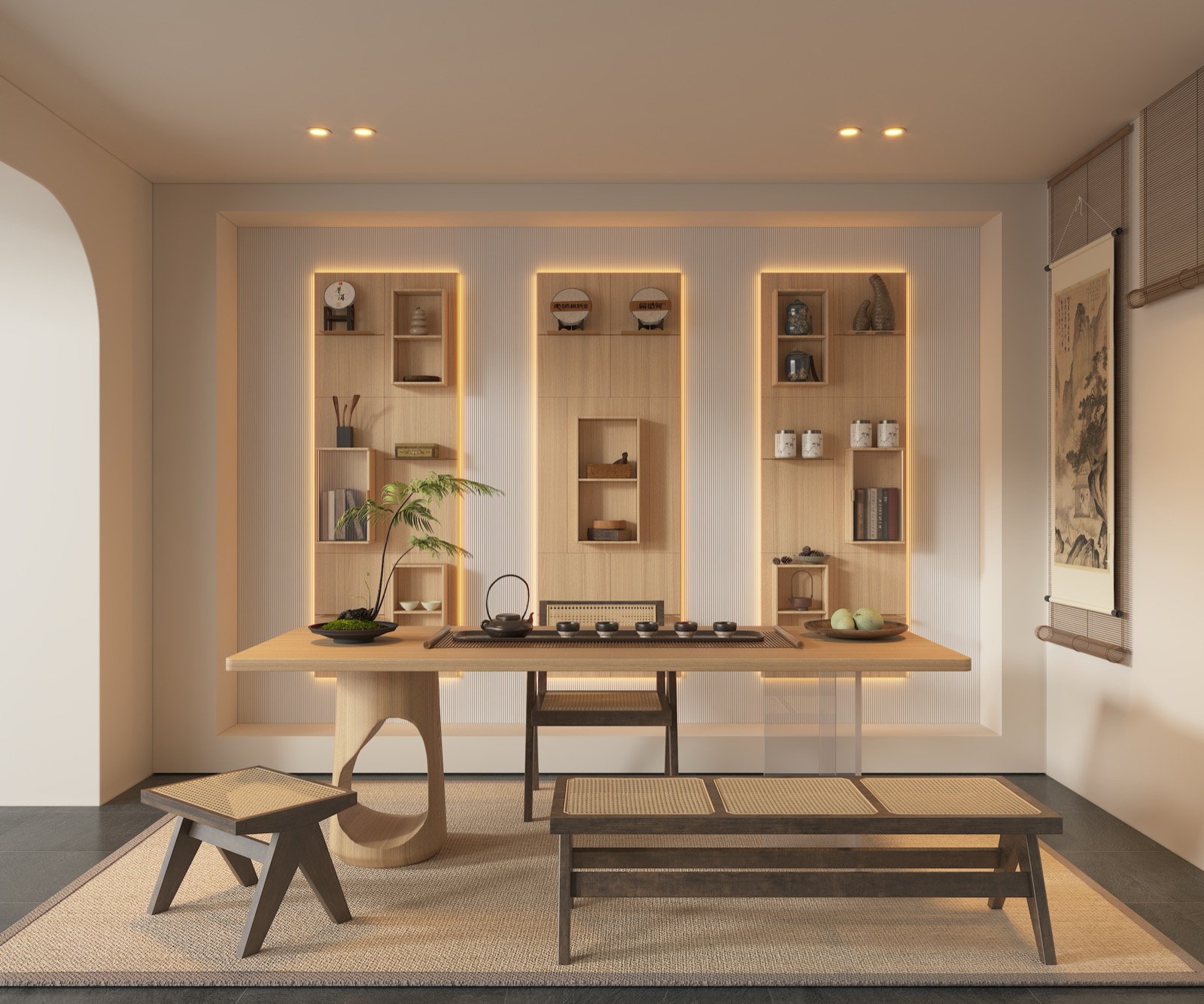
New Chinese (Modern Eastern)
Eastern order with modern comfort: timber screens, framed views, symmetry and generous negative space, in a palette of rice white, tea brown and ink grey with a touch of vermilion. Best kept restrained — one or two substantial Eastern pieces in a calm modern room.
- Timber lattice and screens
- Ming-inspired furniture lines
- Ink paintings and ceramics, sparingly
- Warm 2700K light and paper lamps
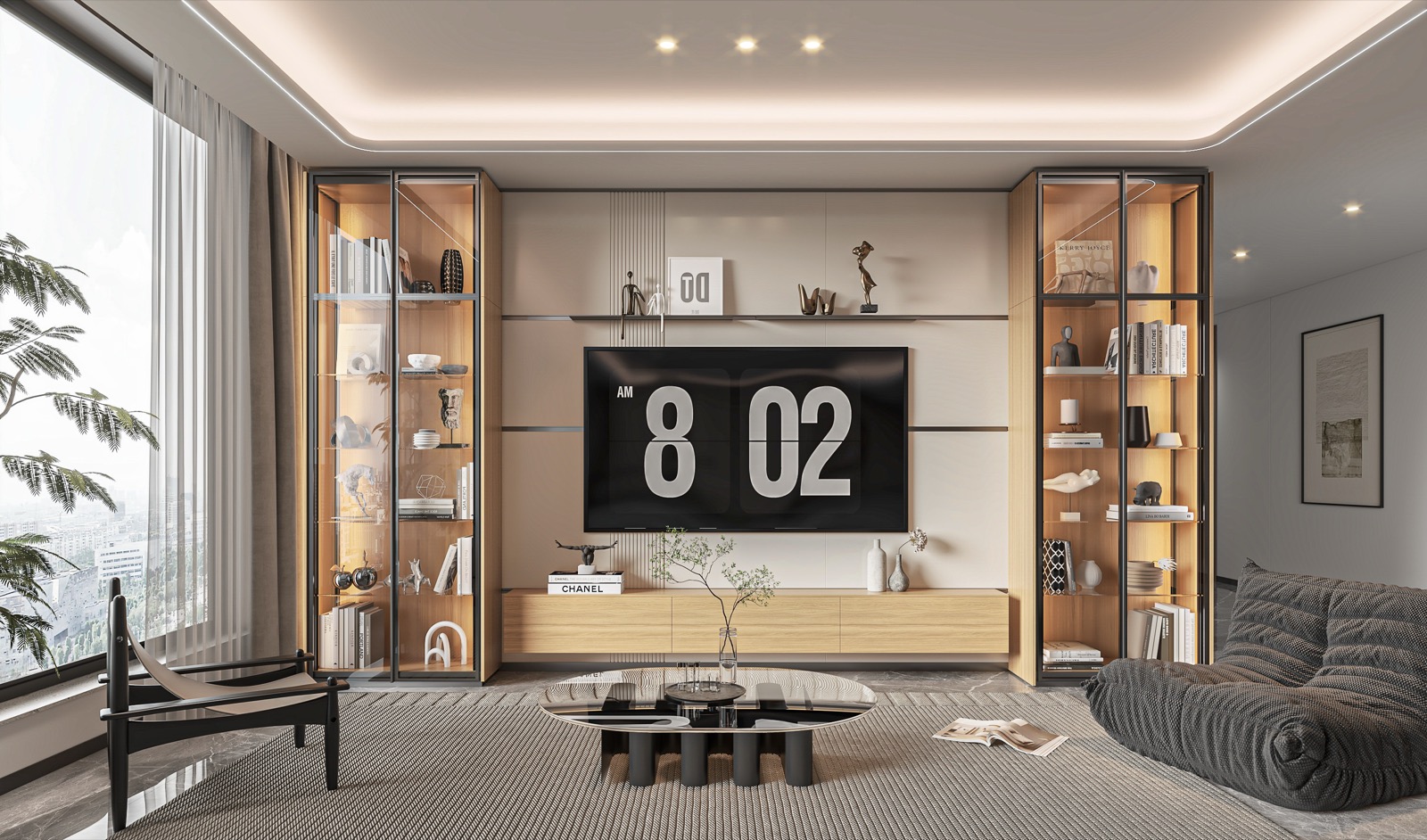
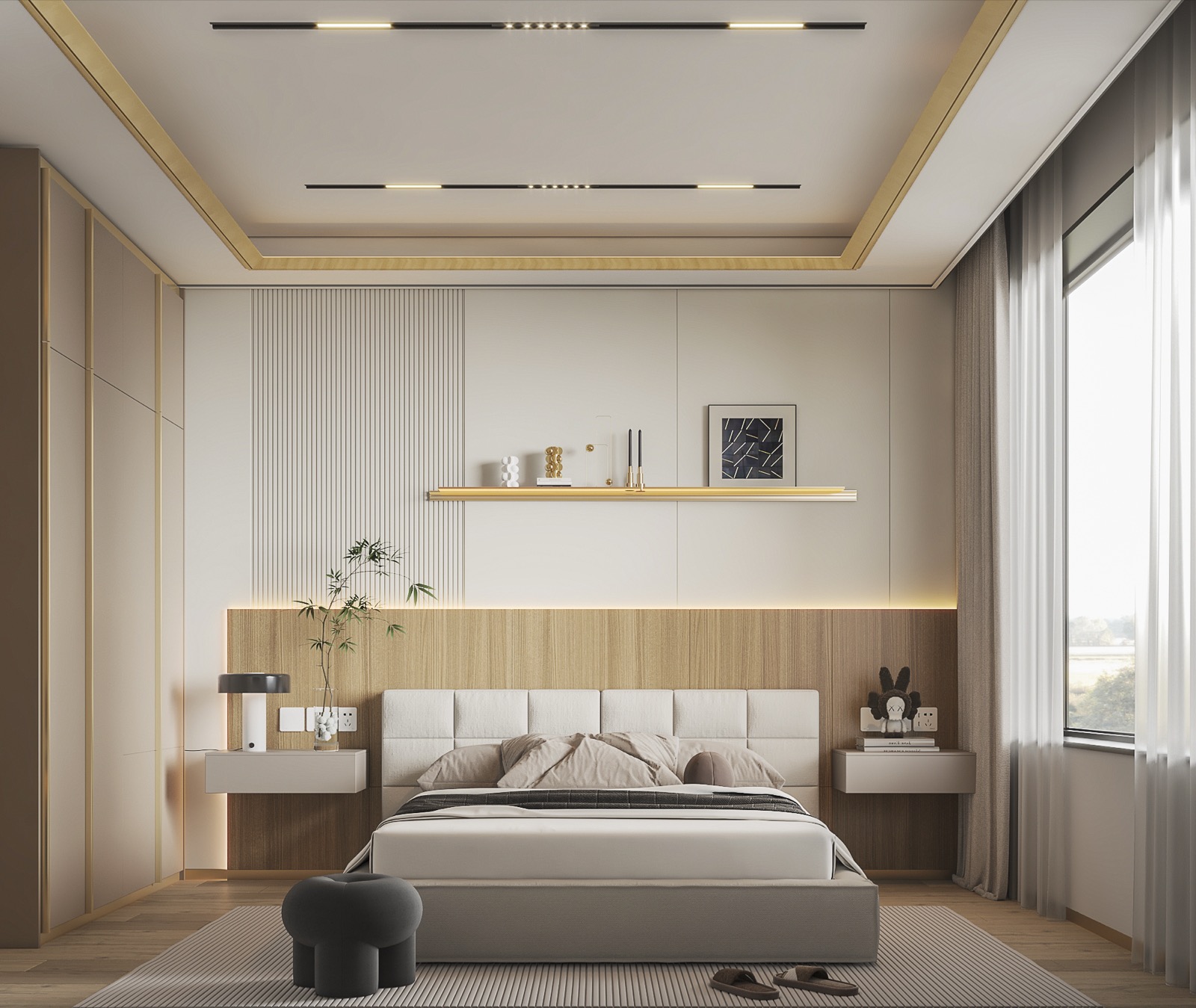
Modern Minimal
Less, but better. Clean lines, flat-panel cabinetry, hidden storage and a warm neutral base. Its luxury lies in proportion, material and precise detailing — every reveal shows.
- Handle-less cabinetry in the wall color
- Layered, concealed lighting
- Natural textiles to add warmth
- Storage planned before finishes
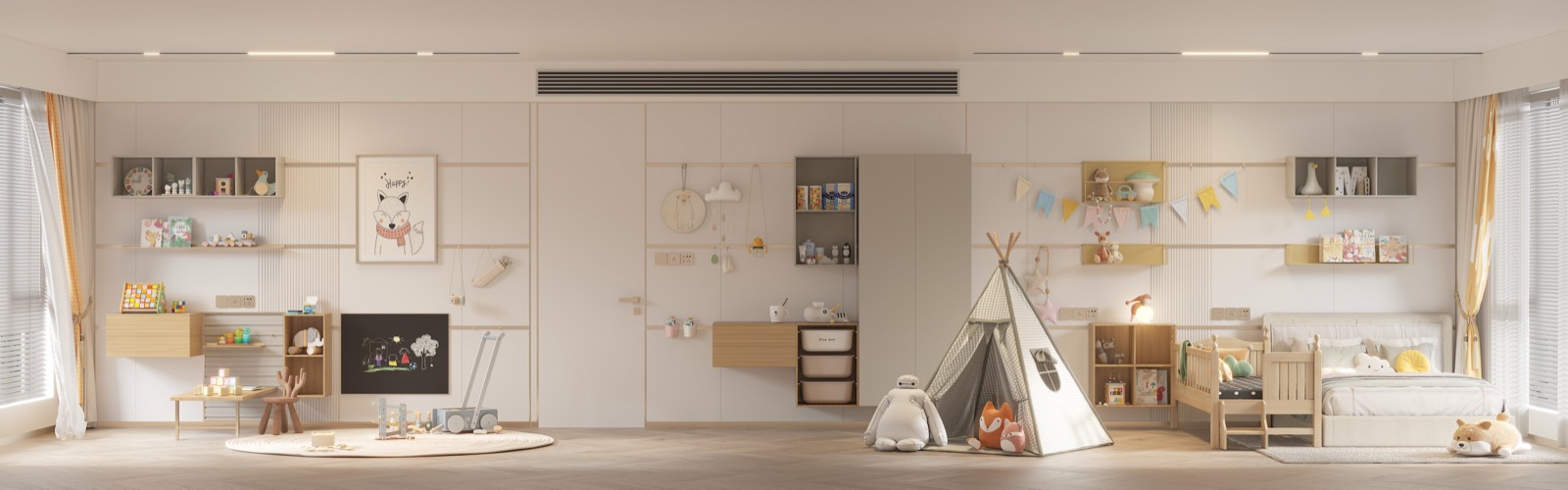
Scandinavian
Born where winters are long and dark, Scandinavian design excels at making rooms brighter and warmer — exactly what many New York apartments need. Pale wood, white walls, wool and linen, plants and many low light sources.
- White oak and ash
- Rounded, friendly furniture
- Layered textiles
- Pendants, floor lamps and candles
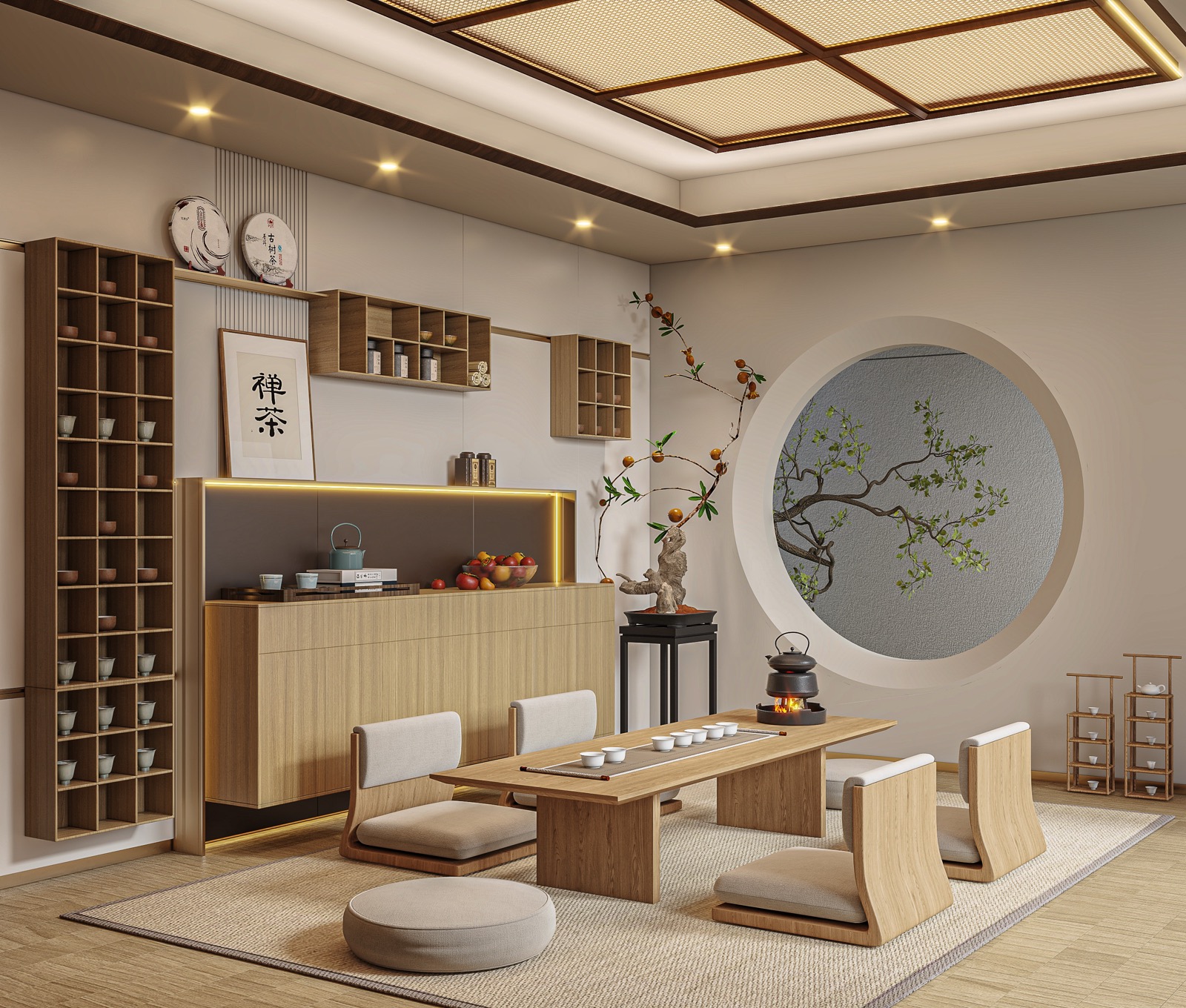
Japandi
Japanese restraint meets Scandinavian comfort: natural oak, low furniture, paper and linen, open space. Calm without feeling cold.
- Low platforms and seating
- Visible grain and handmade objects
- Paper lanterns and diffused light
- A little dark contrast to anchor the room
Wabi-Sabi
An aesthetic of imperfection and time: limewash and microcement walls, raw stone, handmade ceramics and soft light, in earthy low-saturation tones. Raw textures must sit on very precise detailing.
- Hand-troweled plaster walls
- Coarse clay and dried branches
- Very few objects
- Wall-washing light on texture
French
Plaster moldings, herringbone floors, marble mantels and brass. New York's pre-war apartments are a natural stage for a relaxed, modern Parisian look.
- Restore original moldings and floors
- Curved sofas and antique accents
- Soft ivory, mist blue and blush
- Brass and crystal used lightly
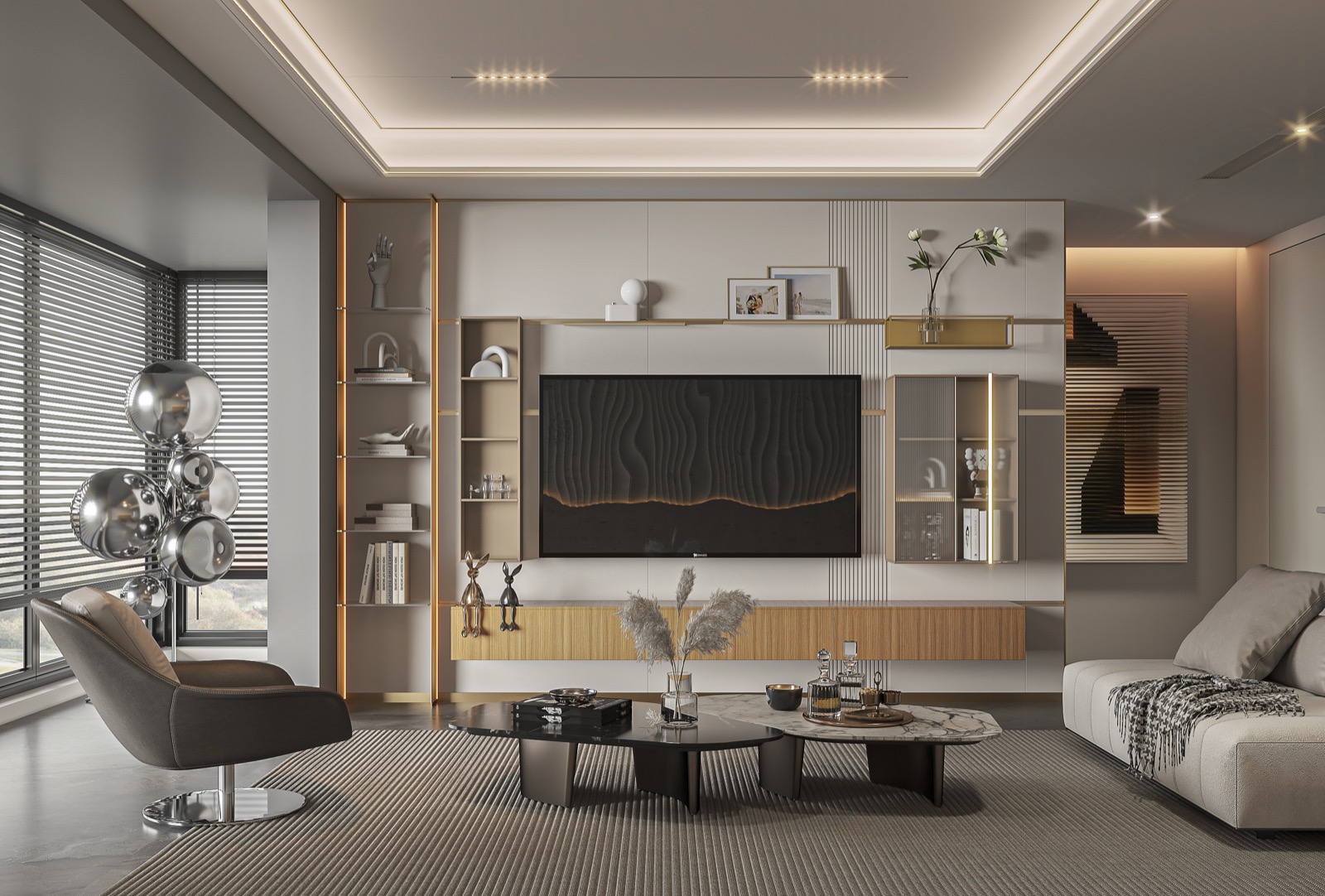
American Classic / Transitional
Comfort first: deep sofas, wainscoting, warm wood and classic textiles. Transitional — between traditional and modern — is the most common style in American homes and blends well with Eastern pieces.
- A fireplace or media wall as the center
- Shaker cabinetry and a big island
- Durable performance fabrics
- Mudroom storage in houses
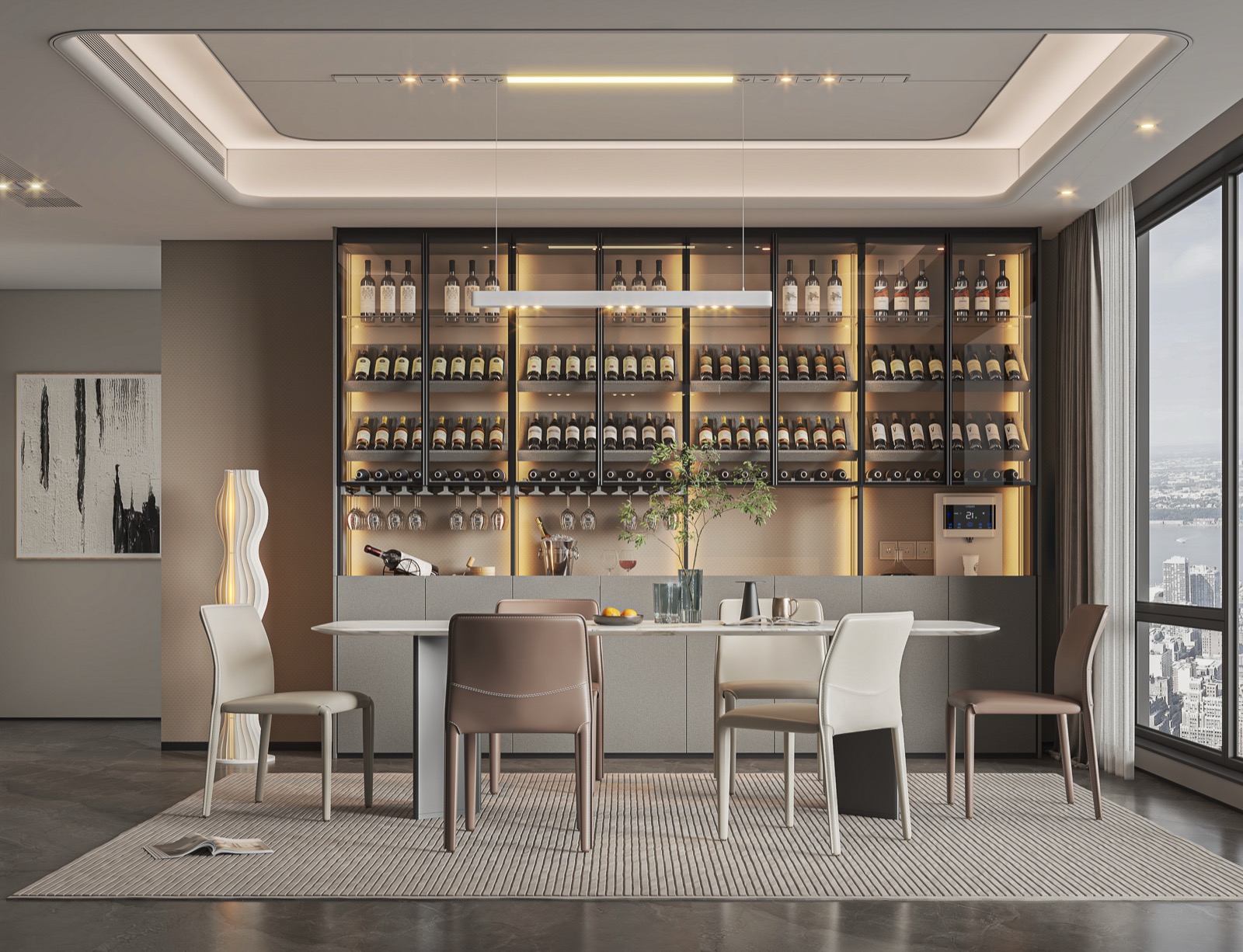
Modern Luxe
Luxury through material rather than ornament: marble veining, metal inlays, leather and velvet, sculptural lighting — refined, never flashy.
- One focal stone surface
- Brushed rather than mirror-bright metal
- Glass display cabinets with interior light
- Metal kept to 5–10% of the palette
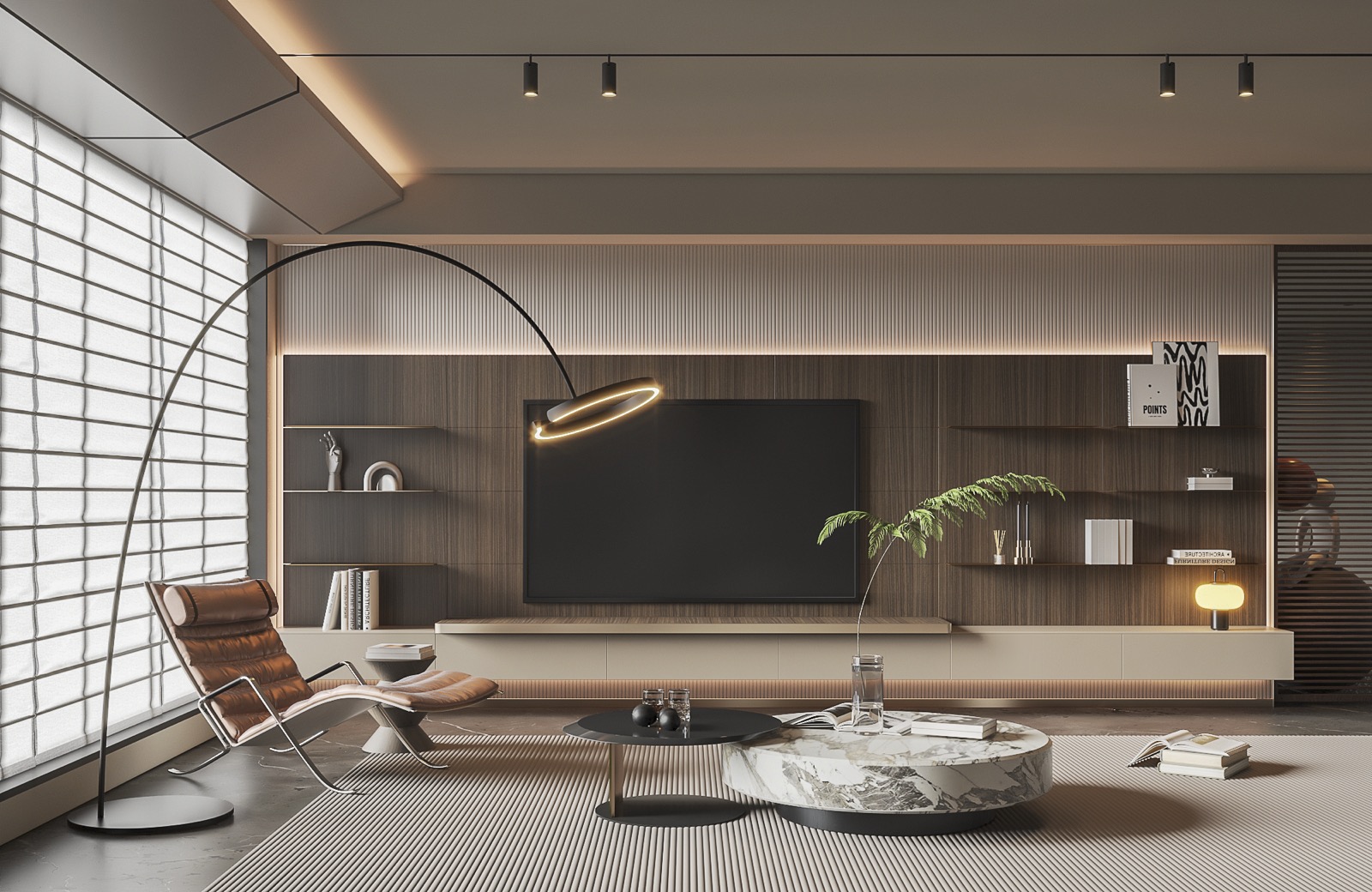
Italian Minimalism
Large planes, low saturation and exacting detail: integrated cabinetry walls, flush doors, linear light and low, generous Italian seating. It demands precise drawings and skilled installers.
- Flush, hidden doors
- No central fixture
- Smoked oak, stone and leather
- Reveals and recessed baseboards
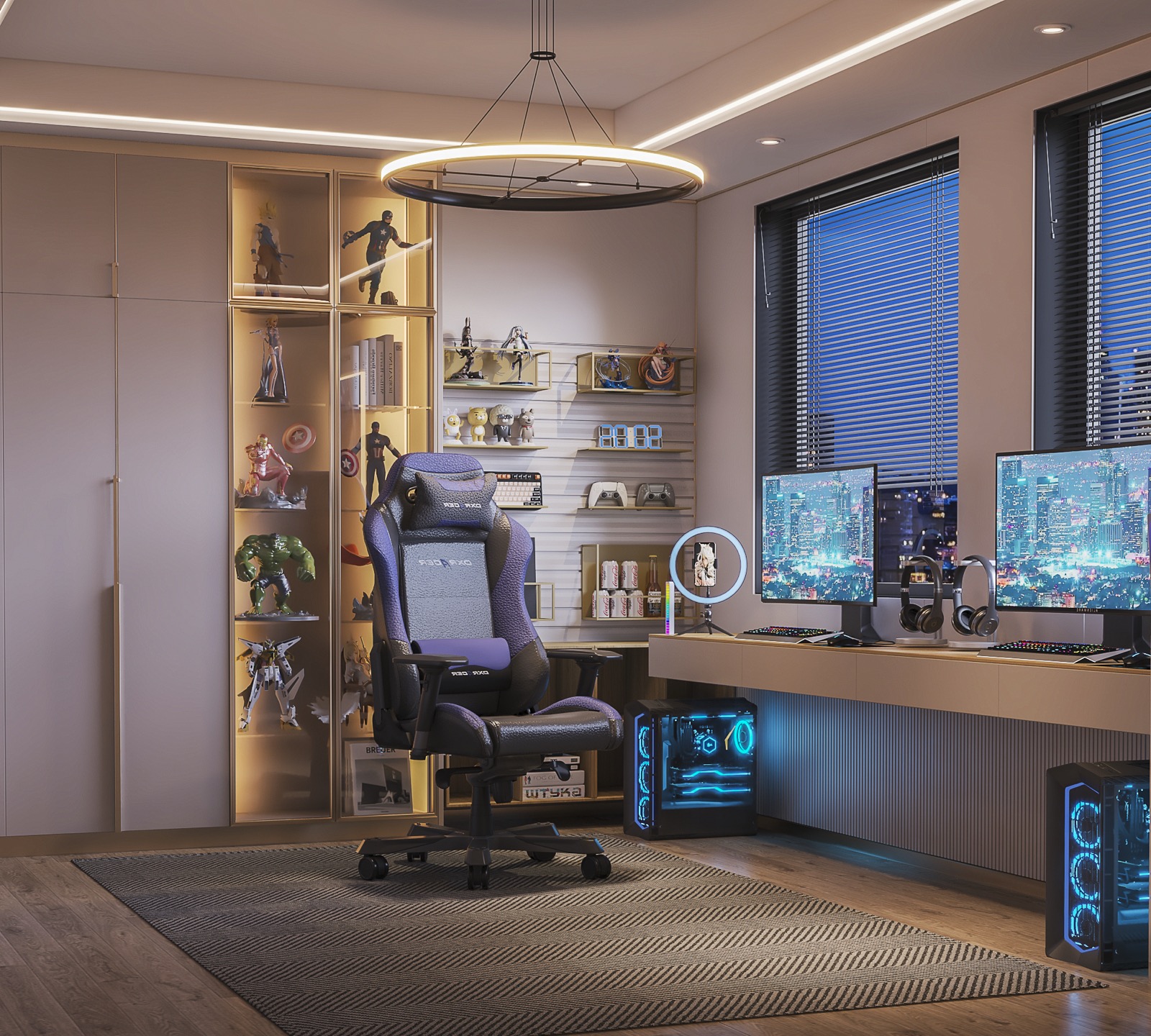
Industrial
Born in the converted lofts of SoHo and Brooklyn: exposed brick, concrete, black steel and Edison bulbs. Warm light and soft textiles keep it from feeling cold.
- Exposed or brick-faced walls
- Steel-and-glass partitions
- Track lighting
- Leather and reclaimed wood
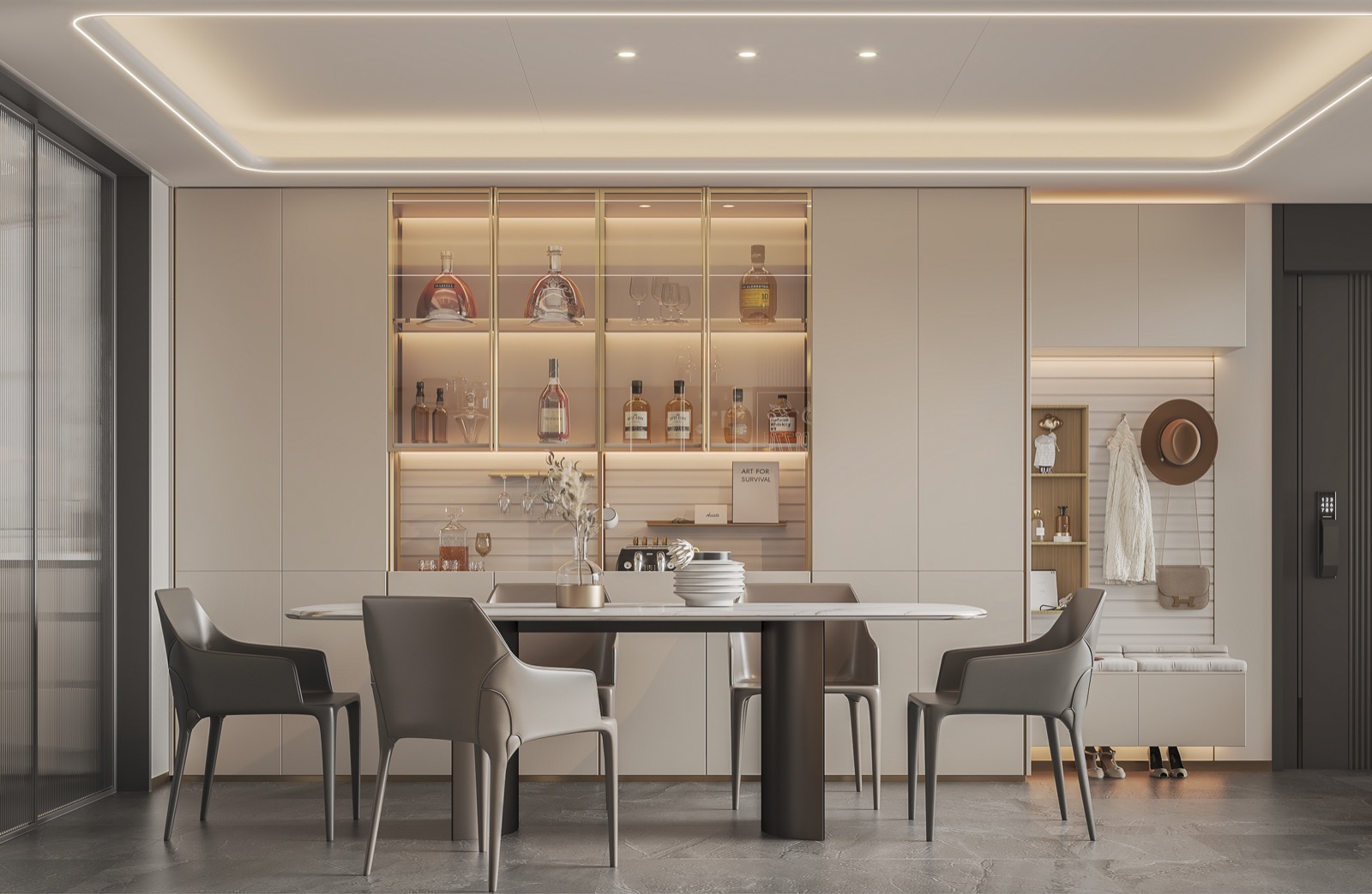
Mid-Century Modern
Mid-twentieth-century modernism: walnut, tapered legs, organic curves and design-classic chairs, with mustard, brick red and deep green accents.
- One great design-classic chair
- Walnut case goods
- Sculptural lighting
- Mix eras rather than recreate one
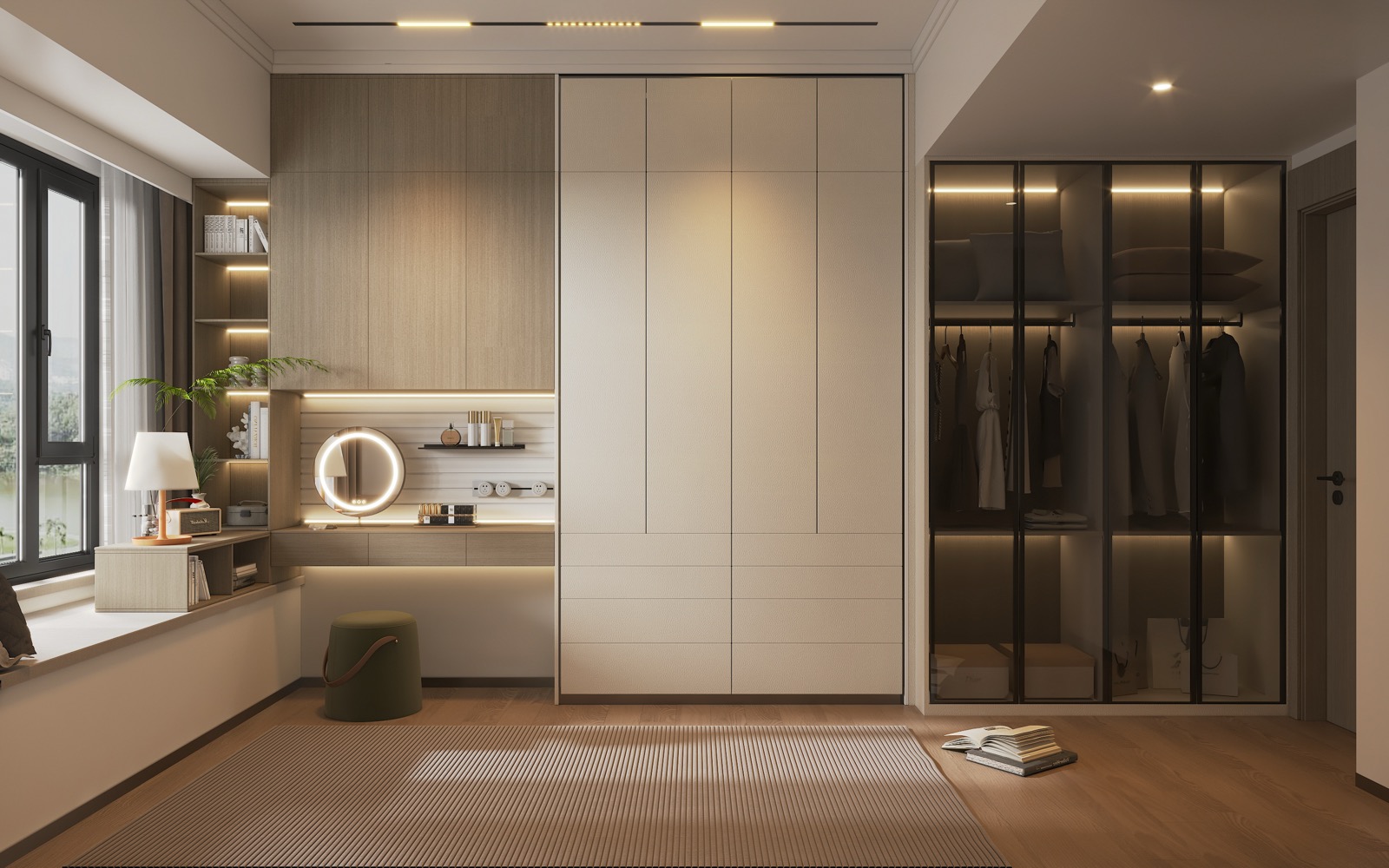
Cream Style
Soft and soothing: milk white, oat and camel, rounded furniture and arched openings — gentle for young families, as long as there is some darker contrast and washable fabric.
- Layers of slightly different whites
- Rounded, child-friendly forms
- Plush, washable textiles
- Diffused cove lighting
Begin a private consultation
Tell us about your space, your timeline and what you hope your home will feel like. The studio takes on a limited number of commissions each year and replies personally to every inquiry.