Three layers
| Layer | Purpose | Fixtures |
|---|---|---|
| Ambient | Even, comfortable light to move around | Recessed, linear, coves, flush mounts |
| Task | Enough light for a specific activity | Under-cabinet, desk, vanity and reading lights |
| Accent / mood | Depth, atmosphere, art and texture | Spots, tape light, sconces, floor and table lamps |
Every room needs at least two layers; living and dining rooms benefit from all three.
The numbers that matter
- Color temperature: 2700–3000K for most of the home, 3000–3500K for kitchens and work areas. Keep one temperature within a sightline.
- CRI: aim for 90+ at home, higher for art, closets and vanities.
- Glare: deep-set downlights and shielded spots — especially above sofas and beds.
- Dimming: match fixtures to compatible dimmers so one system serves daytime, dinner and movie night.
Without a central fixture
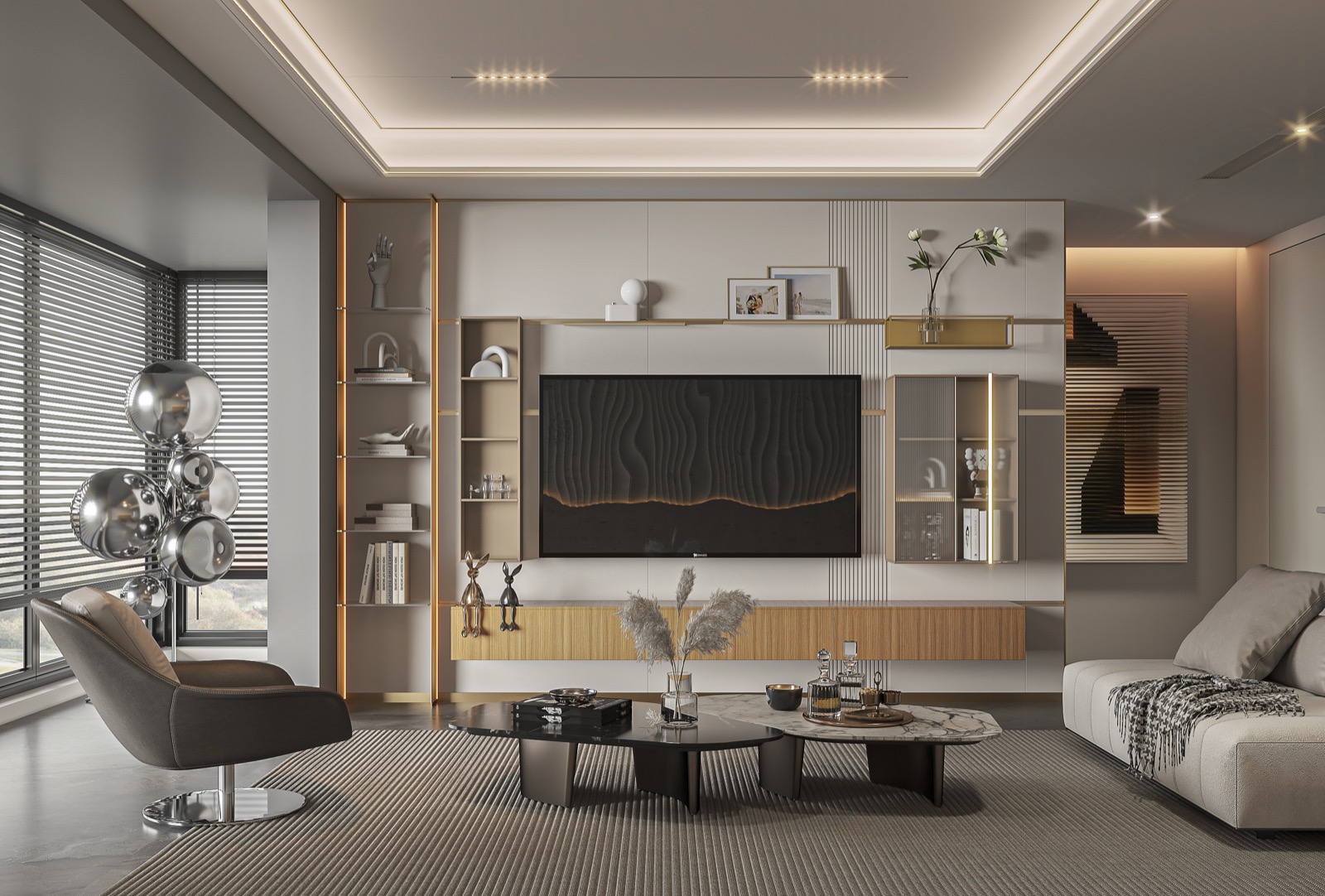
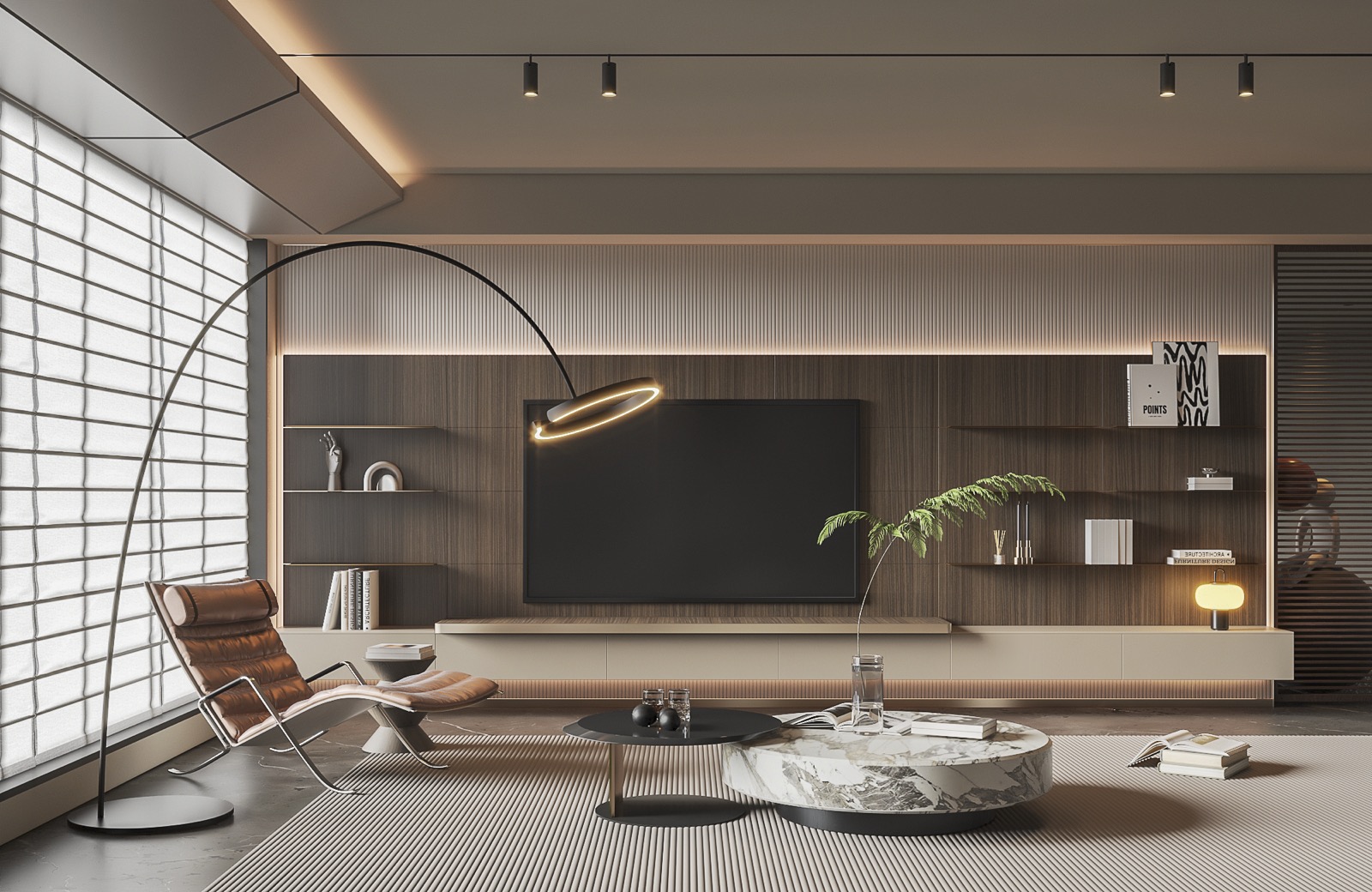
"No-chandelier" lighting uses distributed sources: wall-washing downlights, linear coves and adjustable track. It looks clean and layered but needs ceiling depth, precise installation and early planning — check ceiling height in older New York apartments.
Spacing downlights
Place downlights roughly 18–24 inches from walls to wash them, space them at about half the ceiling height, and avoid placing them directly over beds and seats.
Room by room
| Room | Recommendation |
|---|---|
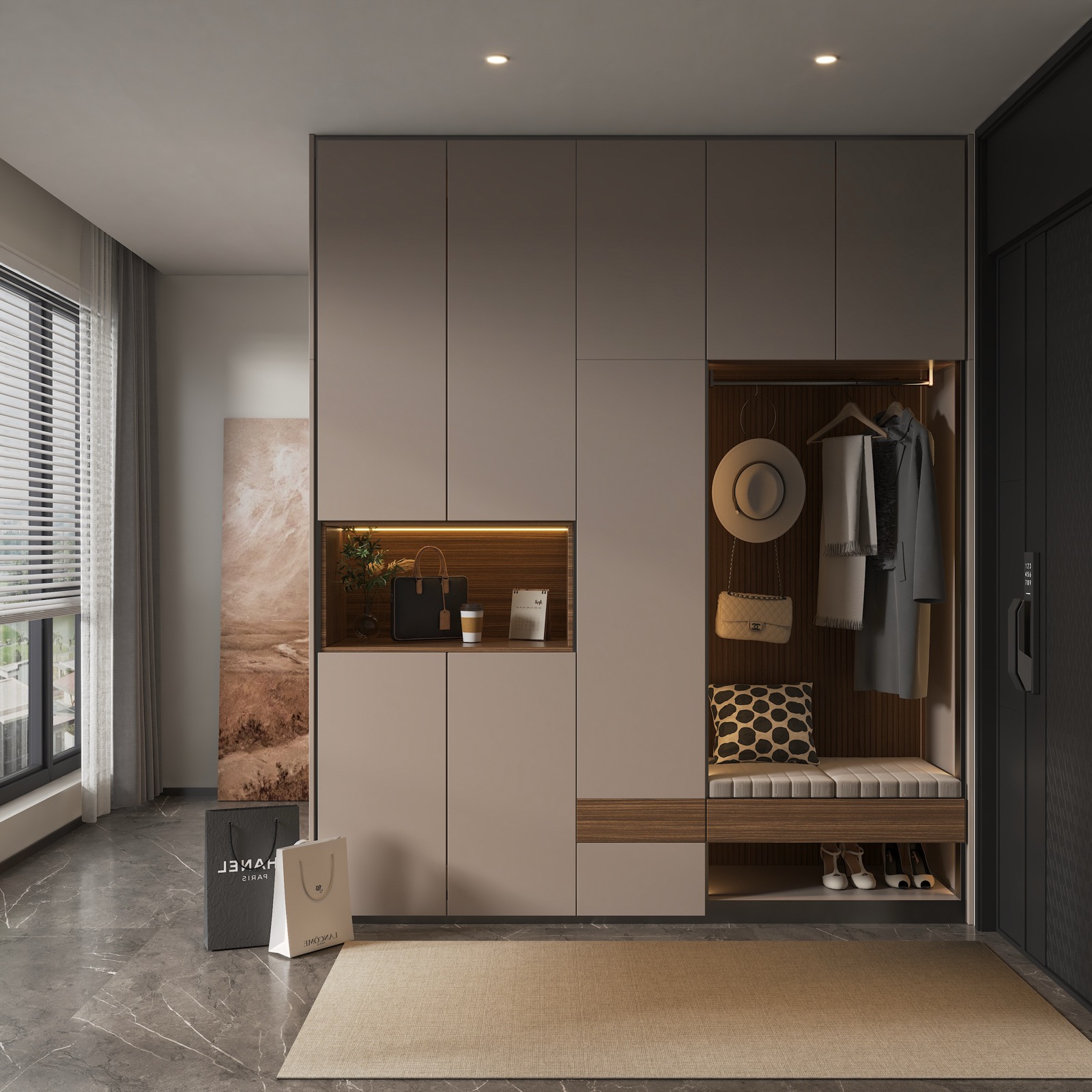
| Foyer | Motion-activated light or toe-kick strip |
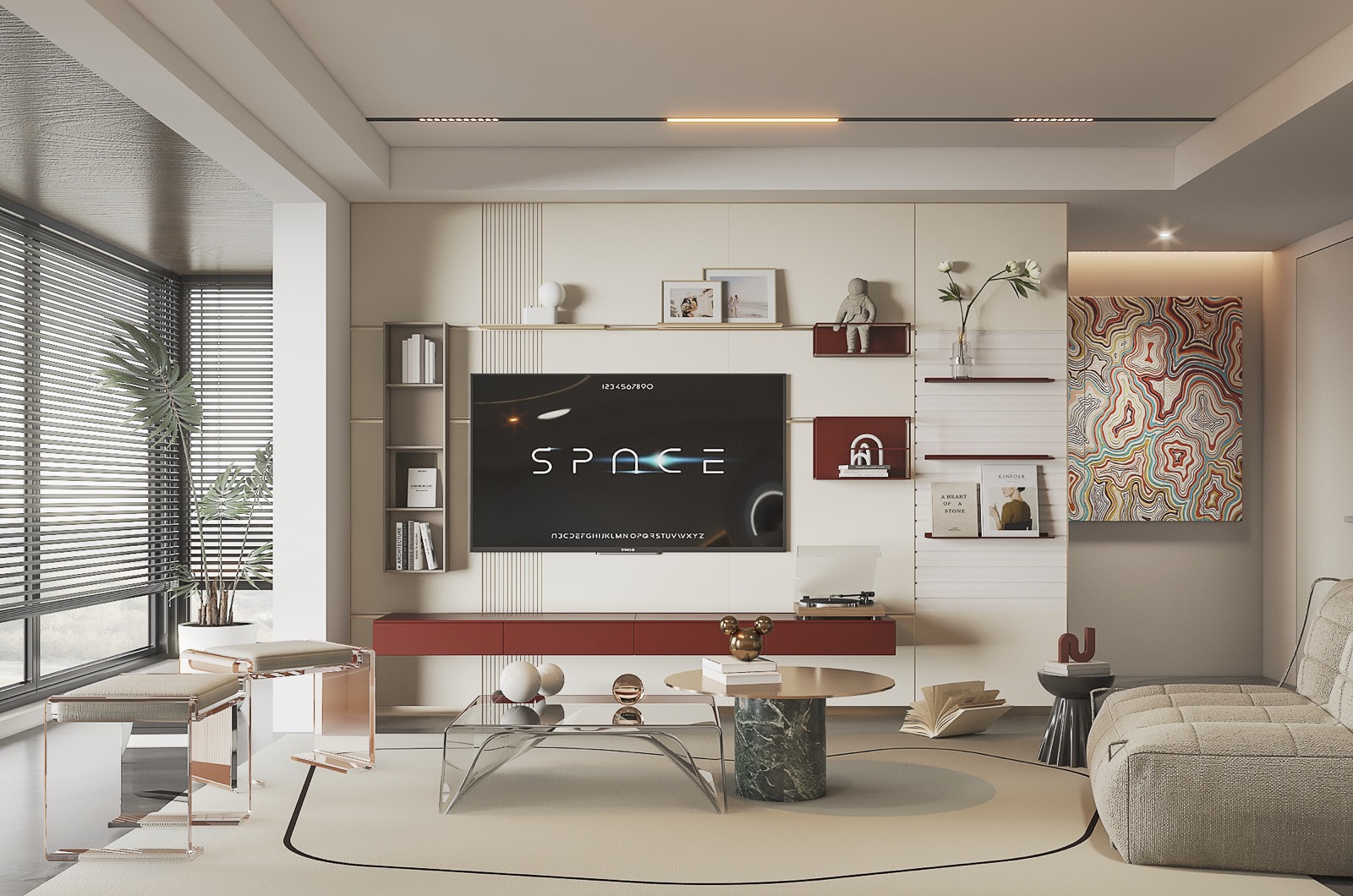
| Living room | Wall washing + floor lamps + table lamps; avoid screen glare |
| Dining | Dimmable pendant over the table |
| Kitchen | Downlights + under-cabinet task light + island pendants |
| Bedroom | Low, warm, dimmable; reading lights; night lights |
| Bath | Vanity light from the sides or above; damp-rated fixtures in showers |
| Closet | High-CRI interior strips |
Designer's tip
Many New York windows face another building, so the "evening version" of a room matters. We favor 2700K, CRI 95 sources and pools of low light from lamps to give rooms a quiet depth at night.
General renovation information only. Costs and regulations change — confirm with current official sources, your building and a licensed professional.